

VR/360 viewing tips at bottom of description:
The Slow Flight maneuver. Slow Flight is lumped into the “stalls” area, as during slow flight we fly closer to stall. Also, all of these maneuvers are to emulate and allow you to practice flight when you are low and in close proximity to terrain.
This is done by drawing back the power, getting the airplane slower, and adding flaps. Maintain altitude and use as much power as needed to stay aloft.
Per the ACS (Airmen Certification Standards) you are to NOT hear the stall horn during this process. So it doesn’t have to be so slow that you’re on the verge of stall (how it used to be done) but a little above that, somewhere in the bottom part of the white arc.
Jump in the conversation and let us know what you learned, or if you had another thoughts and tips for the community.
–––––––––––––––––––––––––––––––––––––––––––––––
VR is best viewed in HD. You can use the mouse cursor to move the view, or your finger on mobile device. Mobile devices can be used with the accelerometer to look around the cockpit. Check it out!

ON THE SAME TOPIC
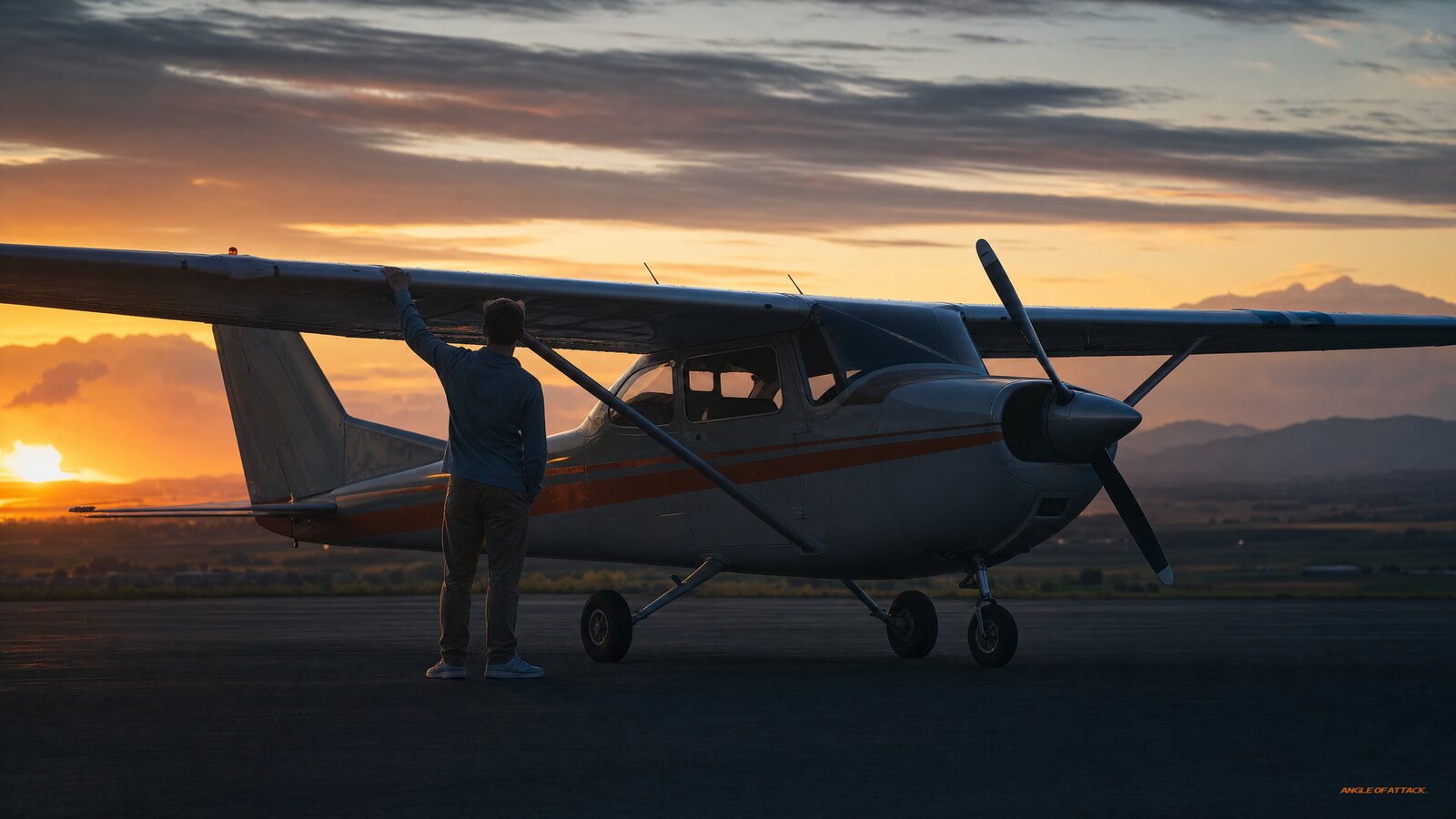
Parts of an Airplane Wing: A Pilot’s Walkaround Guide
Parts of an Airplane Wing: A Pilot’s Walkaround Guide 17 min read Last updated June 2026 · Chris Palmer An airplane wing has a handful of named parts every pilot should know: the leading edge, the trailing edge, the wing root and wing tip, the spars and ribs inside, and the moving surfaces on the […]
 Read more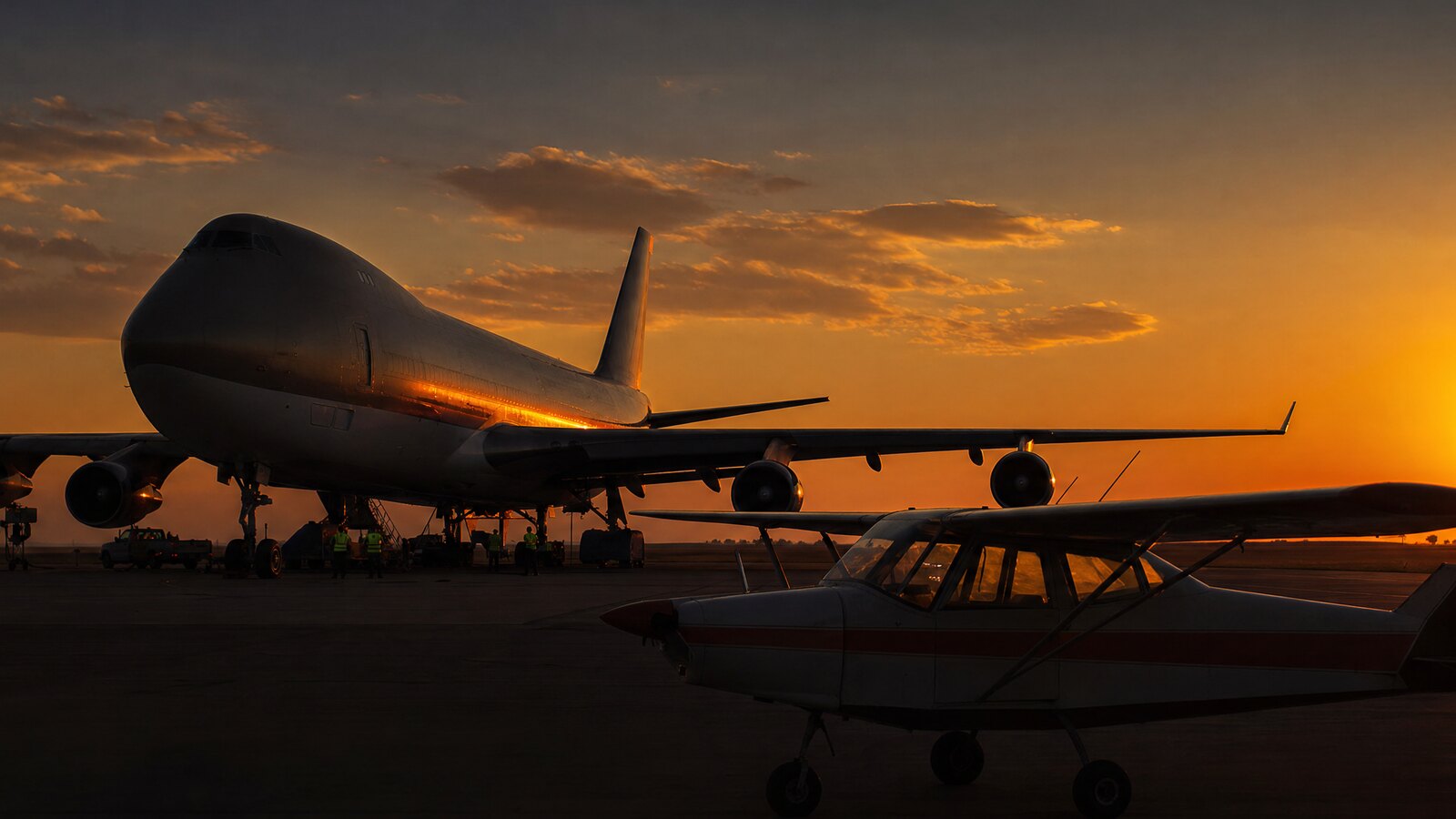
What Are the Largest Airplanes in the World? The Giants That Bend the Sky
What Are the Largest Airplanes in the World? The Giants That Bend the Sky 13 min read Last updated June 2026 · Chris Palmer The largest airplanes in the world are measured by wingspan, length, and maximum takeoff weight — and no single jet wins all three. The Antonov An-225 Mriya held the records for […]
Read more 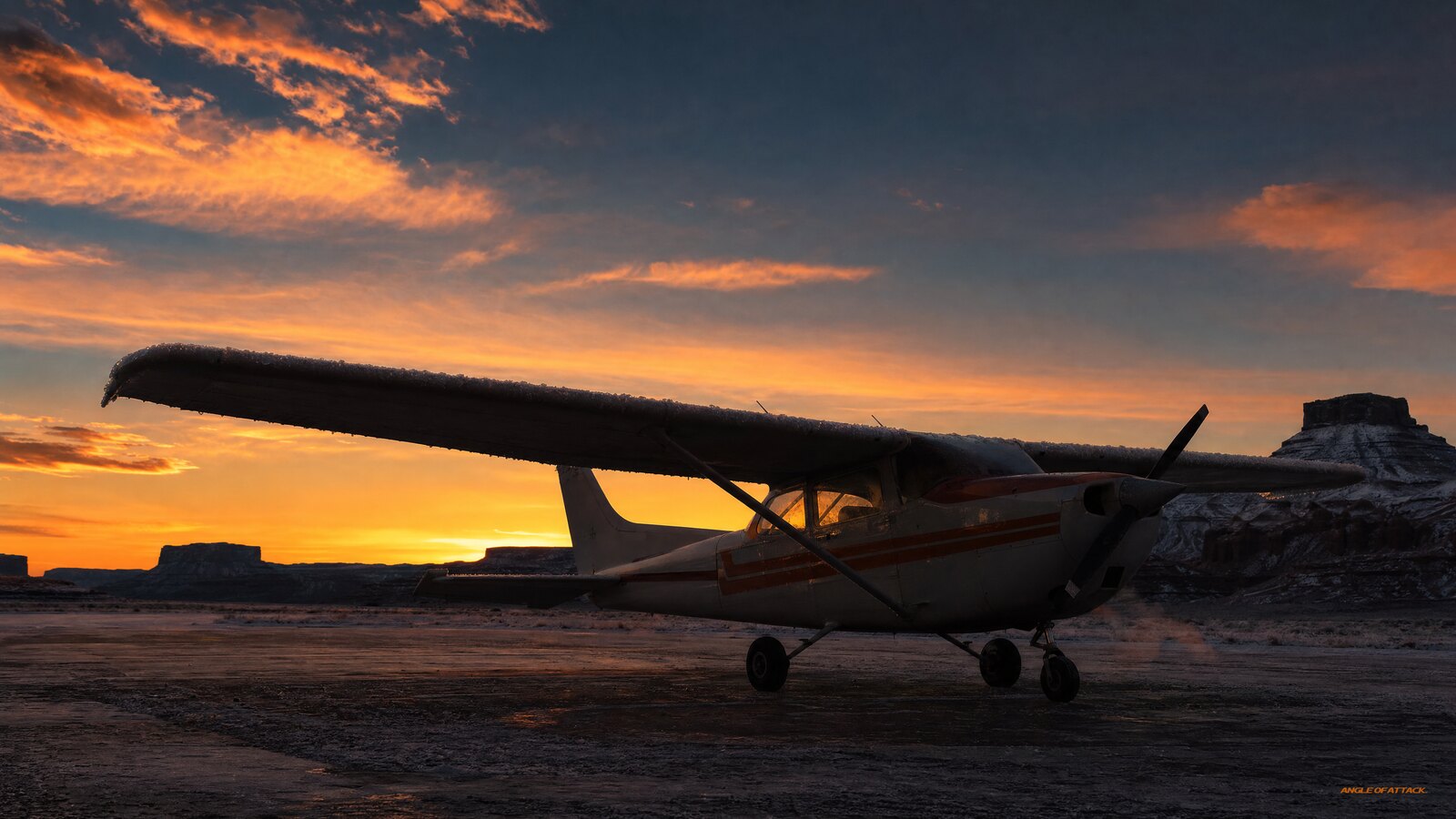
The Hazards of Aircraft Icing: How Ice Steals Your Lift, Thrust, and Control
The Hazards of Aircraft Icing: How Ice Steals Your Lift, Thrust, and Control 18 min read Last updated June 2026 · Chris Palmer The hazards of aircraft icing fall into four buckets: lost lift, added weight, increased drag, and degraded control. Ice forms when supercooled water droplets strike a cold airframe, changing the wing’s shape, […]
Read more 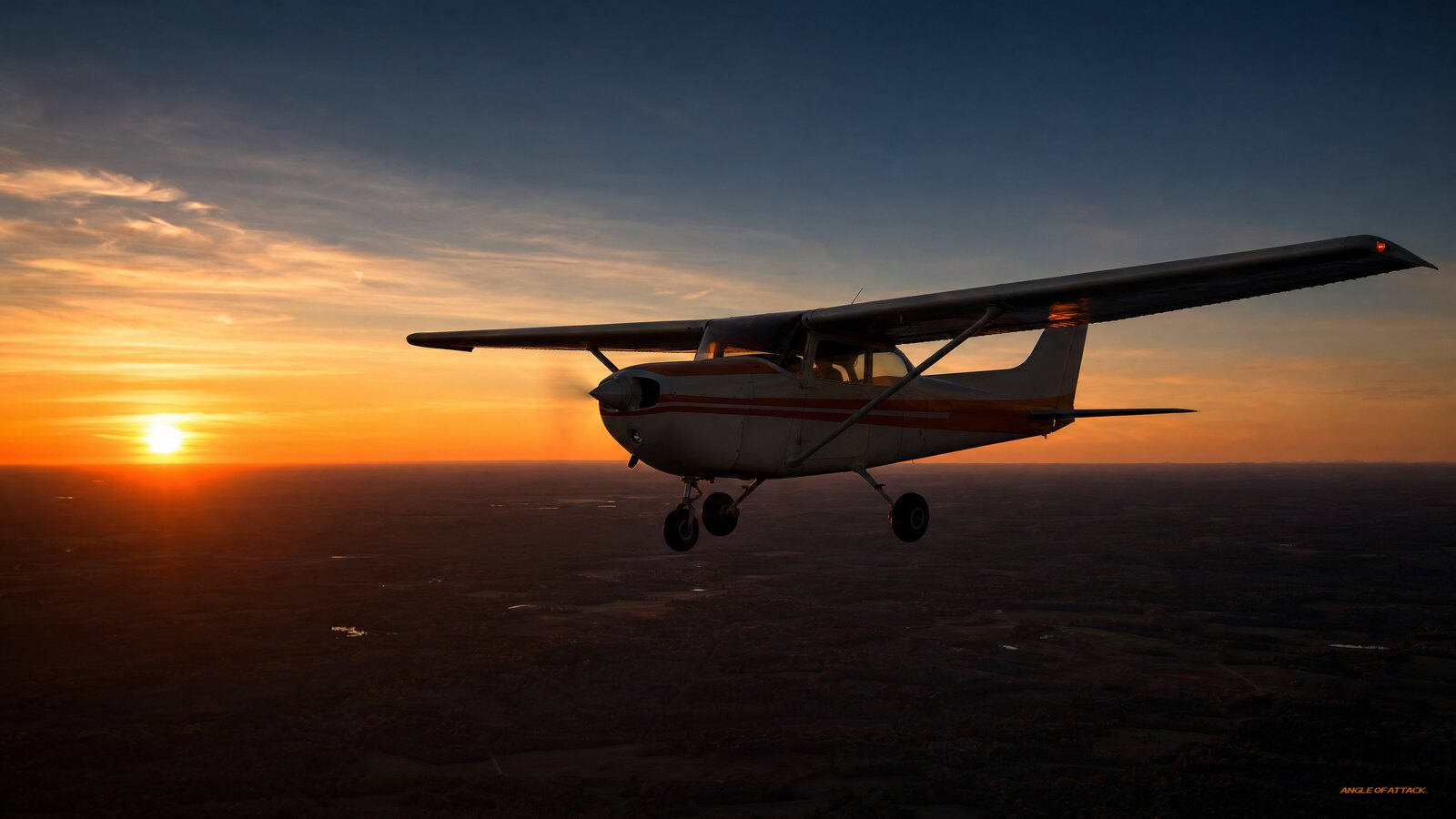
The Four Forces of Flight: How Lift, Weight, Thrust, and Drag Keep Your Airplane in the Air
The Four Forces of Flight: How Lift, Weight, Thrust, and Drag Keep Your Airplane in the Air 20 min read Last updated June 2026 · Chris Palmer The four forces of flight are lift, weight, thrust, and drag — the four aerodynamic and gravitational forces that act on every airplane the moment it leaves the […]
Read more 
Stay Connected
Be the very first to get notified when we publish new flying videos, free lessons, and special offers on our courses.
